
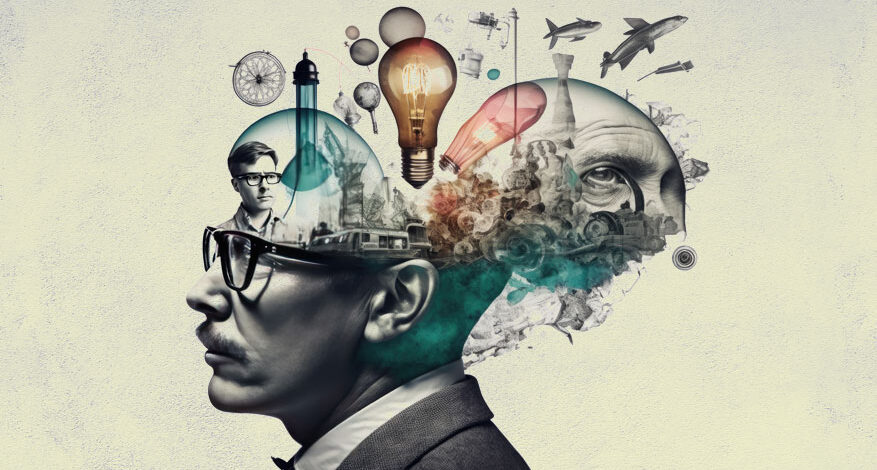
The Power of Openness: How Open-Minded Thinking Fuels Innovation and Insight
When we talk about innovation, we often picture brilliant new ideas—flashes of genius that seem to appear out of nowhere. And while ideas are vital, they’re not actually the starting point. The real foundation of innovation is openness — the willingness to see things differently, question what we think we know, and stay receptive to new insights.
Great innovators share one trait above all: they approach the world with open eyes, open ears, and an open mind. They question assumptions, invite alternative viewpoints, and stay flexible in how they interpret what they see. This kind of openness allows them to notice patterns, uncover insights, and ultimately create ideas that break boundaries.
Ideas are born from insight — and insight begins with openness.
The Space Between Knowing and Discovering
Viktor Frankl once wrote, “Between stimulus and response, there is a space. In that space lies our power to choose our response. In our response lies our growth and our freedom.”
That “space” Frankl described is the birthplace of innovation. It’s the pause between what we experience and how we react—the moment when we can choose curiosity over assumption.
Innovative thinkers linger in that space. When they observe something new, encounter data, or hear an unfamiliar opinion, they resist the urge to immediately label it or defend their viewpoint. Instead, they explore it. They look for fresh ways to interpret what’s in front of them, opening the door to insights others might miss.
But that’s not easy. For most of us, our minds are quick to close that gap. We instantly interpret new information through our existing beliefs and emotions, often without realizing it. That mental autopilot keeps us comfortable, but it also keeps us stuck. To innovate, we have to create that space — intentionally — and use it to rethink, reimagine, and rediscover.
The Cost of a Closed Mind
When we’re not open, our thinking hardens. We stop listening. We cling to our expertise and defend what we already believe, even when reality challenges it. We might tell ourselves we’re being “rational” or “experienced,” but often, we’re just protecting our egos.
A closed mindset doesn’t just block creativity — it strains relationships. When we can’t truly hear others, we lose empathy and insight. Conversations turn defensive. Collaboration breaks down. And innovation, which depends on diverse perspectives and shared understanding, begins to suffocate.
It’s easy to say we’re open-minded. Few people would ever admit to being closed off. But real openness takes humility and self-awareness. It requires more than good intentions — it’s a daily practice of questioning your own certainty.
What It Means to Be Genuinely Open
To be open doesn’t mean agreeing with everything or abandoning what you know. It means being willing to reconsider it.
Innovators stay curious about their own thinking. They invite new perspectives — even when those perspectives challenge their own. They listen deeply and reflect before reacting. That openness makes them more adaptable, more empathetic, and more capable of seeing opportunities others miss.
It also makes them teachable. People who are open to feedback learn faster, collaborate better, and grow stronger. They recognize that the best ideas don’t always come from them — sometimes the most valuable insight comes from a teammate, a customer, or even a critic.
When openness is part of a team’s culture, disagreements don’t turn into conflicts — they become catalysts. Instead of arguing, people exchange ideas, test assumptions, and refine each other’s thinking. That’s how innovation truly accelerates.
Openness Turns Insight Into Innovation
The more open we are, the better we become at defining problems clearly — and solving the right ones. When we listen, observe, and question from multiple angles, we discover what’s actually happening, not just what we assume. That leads to more creative, effective, and relevant solutions. Openness is also what fuels discovery. Every breakthrough — from a new product to a new way of working — starts with someone seeing something differently. The insight that changes an industry often begins as a simple observation that others overlooked. To spot it, you have to be willing to challenge your own perspective first.
In a world that changes this fast, there’s nothing more valuable than a new insight—especially one your competitors haven’t noticed yet. But you can’t find those insights by staying inside the walls of what you already know. True innovators keep revising their understanding, making sense of things in new ways, and remaining open to surprise.
Choosing Openness Every Day
Innovation isn’t just about being creative — it’s about being open enough to see creatively. It’s about choosing curiosity over certainty, humility over pride, and exploration over comfort. As Viktor Frankl reminded us, growth happens in the space between stimulus and response. That’s where innovation begins too — in that small pause where we choose to listen, reflect, and reimagine. So the next time you catch yourself defending what you “know,” take a breath. Step into that space. Ask what else might be true. That simple shift — from knowing to noticing — could be the start of your next great idea. Because innovation doesn’t just come from what we create. It comes from how open we are to seeing differently.