
The Science of Inspiration: How to Design More of It Into Your Everyday Life
If you’re anything like me, staying inspired has felt harder lately. Between constant news updates, climate worries, global uncertainty, and the never-ending hum of notifications, it can feel like inspiration is something we have to chase rather than something that naturally flows.We live in an “always-on” world—bombarded with information, demands, and distractions. It’s no wonder so many of us feel drained, creatively stuck, or simply disconnected from that sense of awe we once had as children. Remember when curiosity felt effortless? When wonder came easily? Somewhere along the way, as responsibilities pile up and screens take over, that spark can start to fade.
So how do we bring it back? How do we design more inspiration into our everyday lives—intentionally, consistently, and joyfully?
What Does “Inspiration” Really Mean?
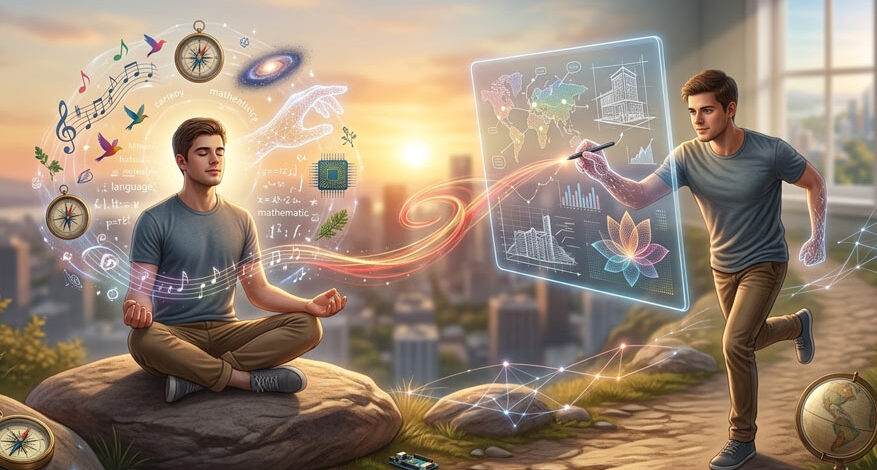
The word inspire comes from the Latin inspirare, meaning “to breathe into.” Isn’t that beautiful? It suggests that inspiration isn’t just a mental process—it’s something life-giving. We “breathe in” the world around us, and then “breathe out” our creative response to it.
Researcher Daron Sharps, Ph.D., breaks this process into two connected phases:
- Insight— taking in new ideas or experiences
- Movement— expressing or acting on what we’ve absorbed
Just like breathing, the two are inseparable. Insight without movement stays locked inside us; movement without insight can feel hollow or forced. Real inspiration lives in the rhythm between both.
Step One: Practice Structured Observation (Insight Phase)
One of the best ways to reignite your creative spark is to notice things differently. That means intentionally slowing down and observing your world with curiosity instead of judgment. In Buddhist teaching, this is called “beginner’s mind”—a way of seeing things fresh, even if you’ve seen them a thousand times before.
For example, I once invited my coworkers on an “inspiration walkabout.” Each person was asked to focus on just one element—color, light, patterns, or sound—during their walk. What they discovered was remarkable. Focusing on a single detail made the ordinary world feel extraordinary again.
You can do the same thing:
- Listen closely to the sounds around you—footsteps, wind, traffic, laughter.
- Notice textures or patterns in your environment.
- Pay attention to light, shadows, or color shifts as the day goes on.
If you can’t go outside, try a mental walkabout. Pick a word like “freedom” or “soft sounds” and write whatever comes to mind. Don’t overthink—just let your thoughts flow. You’ll be surprised how quickly this kind of mindful attention can open creative doors.
Step Two: Embrace Creative Momentum (Movement Phase)
If insight is breathing in, then movement is breathing out. This is the part where we apply inspiration to our lives. And honestly? It’s where many of us get stuck.
Maybe you have half-finished ideas sitting in a notebook, or projects you keep promising to “get back to when things calm down.” I get it. Sometimes the pressure to create something amazing stops us from starting at all.
But here’s the thing: creativity isn’t about perfection—it’s about momentum.
Start small. Capture ideas as they come—record a voice note, jot something in your phone, sketch a quick doodle. Don’t wait until you have the “perfect” plan. The medium doesn’t matter nearly as much as the motion.
You can even make it social—create alongside friends, or share your progress with someone for encouragement. When you give your ideas a bit of space to breathe, creativity becomes less of a rare lightning bolt and more of a gentle, steady current.
Step Three: Look Inward—You Are the Source of Inspiration
Here’s something many of us overlook: you are already inspiring.
Inspiration isn’t always something we find out there—it’s something that grows from within. The stories we tell about ourselves shape how we see the world and how we act in it. Psychologists call this narrative identity: the idea that your internal story influences your external reality.
Think about the difference between saying “I’m a runner” and “I run.” The first shapes identity; the second describes an action. The same goes for “I’m creative.” The more you claim creativity as part of who you are, the more likely you are to live it out.
Try this simple reflection exercise: gather five small objects that tell your story. They might be mementos, tools, photos, or souvenirs—anything that reflects who you are or what brings you joy. When I tried this, I realized that several of my items—paintbrushes, a journal, a race medal—represented things I’d unintentionally neglected. Seeing them laid out was like a gentle nudge from my own soul saying, “Hey, remember me?”
Step Four: Give Your Inspiration Room to Breathe
Inspiration isn’t about chasing the next big idea—it’s about creating space for curiosity to move freely through your life.
Sometimes that means resting. Sometimes it means turning off the noise. And often, it means trusting that even when you feel uninspired, your creativity hasn’t disappeared—it’s just waiting for air. By practicing awareness, openness, and small daily acts of creativity, you can turn inspiration from a fleeting spark into a lasting flame.
Final Thoughts
Inspiration doesn’t have to be something mystical or hard to find. It’s woven into the rhythm of your everyday life—your conversations, your surroundings, your thoughts, even your breath. When we learn to notice more deeply, act more freely, and believe that our creativity matters, inspiration becomes less about “finding the muse” and more about becoming it. So take a deep breath. Look around. There’s inspiration here—right now—waiting to move through you.